

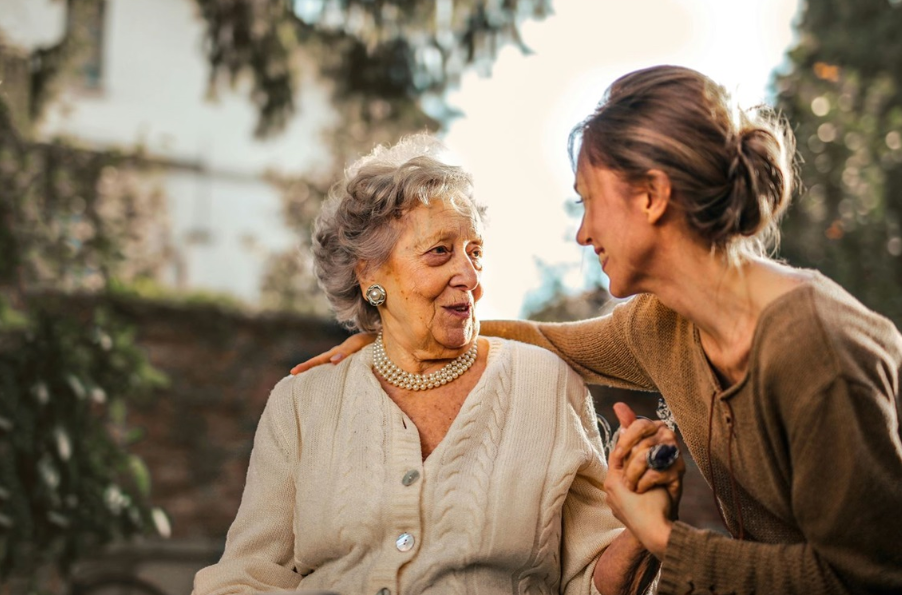
Forster is well known for its beaches and calm lifestyle. But it is also a town where many older people are reaching the stage where daily help is needed. Families here face choices about how best to support parents and grandparents. Some need medical care. Others just need help with meals, housework, or company. The rise in demand for aged care services Forster reflects this shift. What matters is not only safety and health, but also respect for how people want to live as they age.
The Unique Needs of an Ageing Population
Getting older is not just about illness. It can mean slower walking, less energy, or memory loss. Yet it also means wanting control over small parts of life. Many seniors in Forster want to choose when to get up, what to eat, or whether to spend the afternoon outside. Care providers have started to move away from fixed routines. They try to give older people more say in everyday decisions.
Place is another part of ageing that is often ignored. For many residents, Forster is home in the truest sense. They have spent years fishing at Wallis Lake or walking the breakwall. Leaving those places behind can be upsetting. To help, some services bring local experiences into aged care. Outings, visits from school groups, or even time in local parks can keep that sense of connection alive.
Residential and Community Care Options
Families often face a hard choice. Do they keep a loved one at home or move them into a care home? Each option has strengths. Residential care means meals are cooked, medication is managed, and health staff are always on hand. Some seniors find this reassuring. They meet new people and take part in activities. For others, the move feels like losing independence.
Home-based support works differently. Carers visit as needed. This might mean help with cleaning, cooking, or getting to appointments. In Forster, these services are often flexible. A family can start with a few hours of help each week and increase it over time. This makes the change less sudden and easier to manage.
The Human Touch in Care
Families often say that what makes the biggest difference is not the system, but the people. A carer who remembers someone’s tea the way they like it. A chat about a fishing trip. Listening to a story that has been told before. These details may look small, yet they are the heart of good care.
In Forster, carers often come from the same town. They may already know the family. Sometimes they are even neighbours or friends. That closeness builds trust. It makes care feel less like a service and more like community support.
Medical and Specialist Support
Alongside kindness, there is the need for proper health care. Many seniors live with long-term conditions such as arthritis or diabetes. Some face memory-related illness. In Forster, aged care providers work with local doctors and health specialists. Because the town is smaller, there is often closer communication between carers and clinics.
Physiotherapists, dietitians, or speech pathologists sometimes visit homes or residential facilities. This saves seniors from long trips, which can be tiring. It also helps families worry less about transport and schedules. Health care and daily support are joined together in one place, making life smoother for everyone involved.
Creating a Community of Care
Aged care in Forster does not sit apart from the town. Seniors are still part of local life. They attend markets, watch community events, or welcome visitors into care homes. These links reduce loneliness and remind people that ageing does not mean disappearing from view.
The community also gains. Older residents share local history, pass on stories, and keep traditions alive. In this way, aged care is more than support. It becomes part of keeping the town’s culture strong.
Conclusion:
Ageing is never the same for everyone. But the kind of care available makes a big difference. In Forster, services balance medical help with personal choice and community connection. Families are included, seniors keep links to familiar places, and care adapts as needs change. This makes the experience less about losing independence and more about living with support. For families searching for thoughtful help, aged care services Forster provide an option that feels both practical and humane.
Forster is well known for its beaches and calm lifestyle. But it is also a town where many older people are reaching the stage where daily help is needed. Families here face choices about how best to support parents and grandparents. Some need medical care. Others just need help with meals, housework, or company. The rise in demand for aged care services Forster reflects this shift. What matters is not only safety and health, but also respect for how people want to live as they age.
The Unique Needs of an Ageing Population
Getting older is not just about illness. It can mean slower walking, less energy, or memory loss. Yet it also means wanting control over small parts of life. Many seniors in Forster want to choose when to get up, what to eat, or whether to spend the afternoon outside. Care providers have started to move away from fixed routines. They try to give older people more say in everyday decisions.
Place is another part of ageing that is often ignored. For many residents, Forster is home in the truest sense. They have spent years fishing at Wallis Lake or walking the breakwall. Leaving those places behind can be upsetting. To help, some services bring local experiences into aged care. Outings, visits from school groups, or even time in local parks can keep that sense of connection alive.
Residential and Community Care Options
Families often face a hard choice. Do they keep a loved one at home or move them into a care home? Each option has strengths. Residential care means meals are cooked, medication is managed, and health staff are always on hand. Some seniors find this reassuring. They meet new people and take part in activities. For others, the move feels like losing independence.
Home-based support works differently. Carers visit as needed. This might mean help with cleaning, cooking, or getting to appointments. In Forster, these services are often flexible. A family can start with a few hours of help each week and increase it over time. This makes the change less sudden and easier to manage.
The Human Touch in Care
Families often say that what makes the biggest difference is not the system, but the people. A carer who remembers someone’s tea the way they like it. A chat about a fishing trip. Listening to a story that has been told before. These details may look small, yet they are the heart of good care.
In Forster, carers often come from the same town. They may already know the family. Sometimes they are even neighbours or friends. That closeness builds trust. It makes care feel less like a service and more like community support.
Medical and Specialist Support
Alongside kindness, there is the need for proper health care. Many seniors live with long-term conditions such as arthritis or diabetes. Some face memory-related illness. In Forster, aged care providers work with local doctors and health specialists. Because the town is smaller, there is often closer communication between carers and clinics.
Physiotherapists, dietitians, or speech pathologists sometimes visit homes or residential facilities. This saves seniors from long trips, which can be tiring. It also helps families worry less about transport and schedules. Health care and daily support are joined together in one place, making life smoother for everyone involved.
Creating a Community of Care
Aged care in Forster does not sit apart from the town. Seniors are still part of local life. They attend markets, watch community events, or welcome visitors into care homes. These links reduce loneliness and remind people that ageing does not mean disappearing from view.
The community also gains. Older residents share local history, pass on stories, and keep traditions alive. In this way, aged care is more than support. It becomes part of keeping the town’s culture strong.
Conclusion:
Ageing is never the same for everyone. But the kind of care available makes a big difference. In Forster, services balance medical help with personal choice and community connection. Families are included, seniors keep links to familiar places, and care adapts as needs change. This makes the experience less about losing independence and more about living with support. For families searching for thoughtful help, aged care services Forster provide an option that feels both practical and humane.